
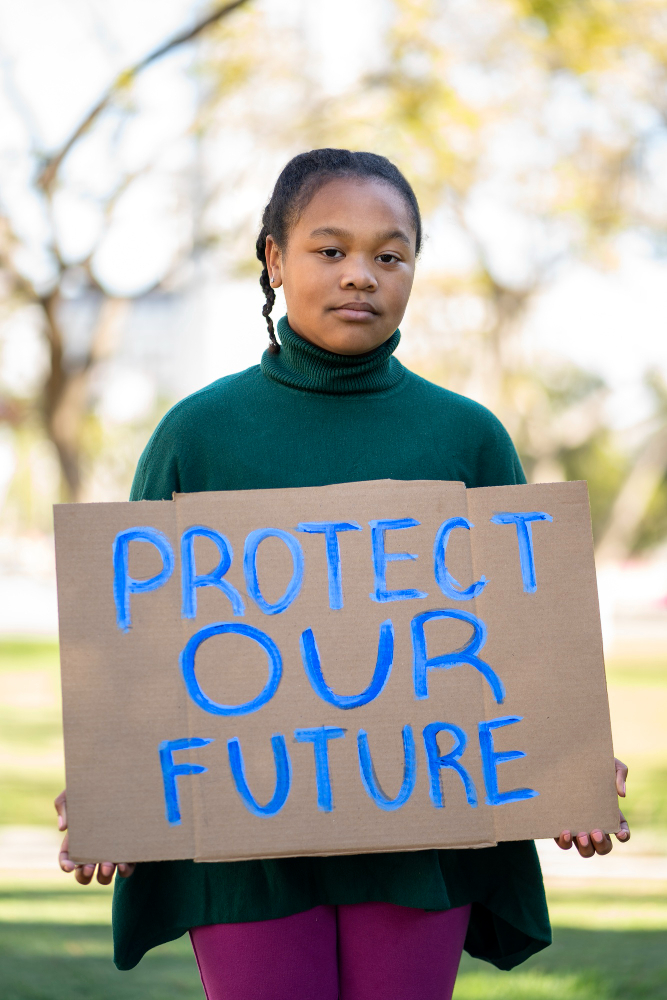
Welcome to the world of girl empowerment, where the feeling of empowerment is a right every girl should experience. In developing countries such as Nigeria, this vital topic often goes unnoticed, leaving young girls unaware of their self-worth and freedom of choice.
This powerful movement aims to raise the girl child’s status, provide access to education opportunities, and drive social change for a more equitable society. Together, we can create a community of empowered women, where knowledge, experiences, and wisdom are freely shared, fostering inclusivity and compassion.
Why is women’s empowerment particularly important for young girls?
Women empowerment is vital for young girls as it helps create strong, independent women who can pass this empowerment down to their future children. It creates a more solid society and eliminates inequality, leading to indiscrimination in the workplace and a more successful female-dominated workforce. In developing countries like Gambia, girls need empowerment the most, as they first learn their values and importance in school. Without equal education, girls are excluded from gaining the knowledge they need to grow mentally and physically. Women should be open to encouraging, inspiring, mentoring, and being honest to empower other girls.
Being open and supportive of one another is essential, as it allows for the exchange of helpful information and supports the growth of others. Being an inspiration and mentor can motivate women in similar positions to continue their journey and become sources of empowerment.
However, women’s empowerment is different in Nigeria due to the lack of education, technology, and economic participation. Girls are often pressured into marriage at a young age, which prevents them from continuing their education. Boys have more access to education, while girls are often seen as the property of their husbands, which lowers their literacy and numerical skills.
The lack of access to technology, such as mobile phones especially in rural areas hinders women’s ability to communicate, seek medical assistance, and deepen their knowledge. Additionally, women in developing countries often have less economic participation, which is crucial for strengthening their rights and power. Economic development would allow women to feel a sense of identity and strength, empowering them to do remarkable things and advance in their society.